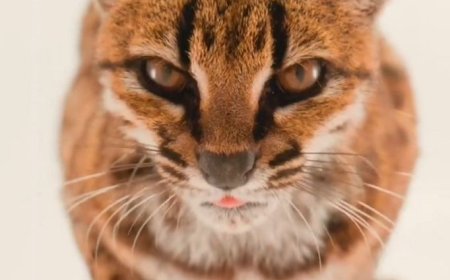


























Scientists Discover New Wild Cat in Bolivia — First New Living Feline Species Described in More Than a Century
Scientists have identified Leopardus tilcayo, a new wild cat species from Bolivia's Yungas cloud forests, in the first such discovery in more than a century.
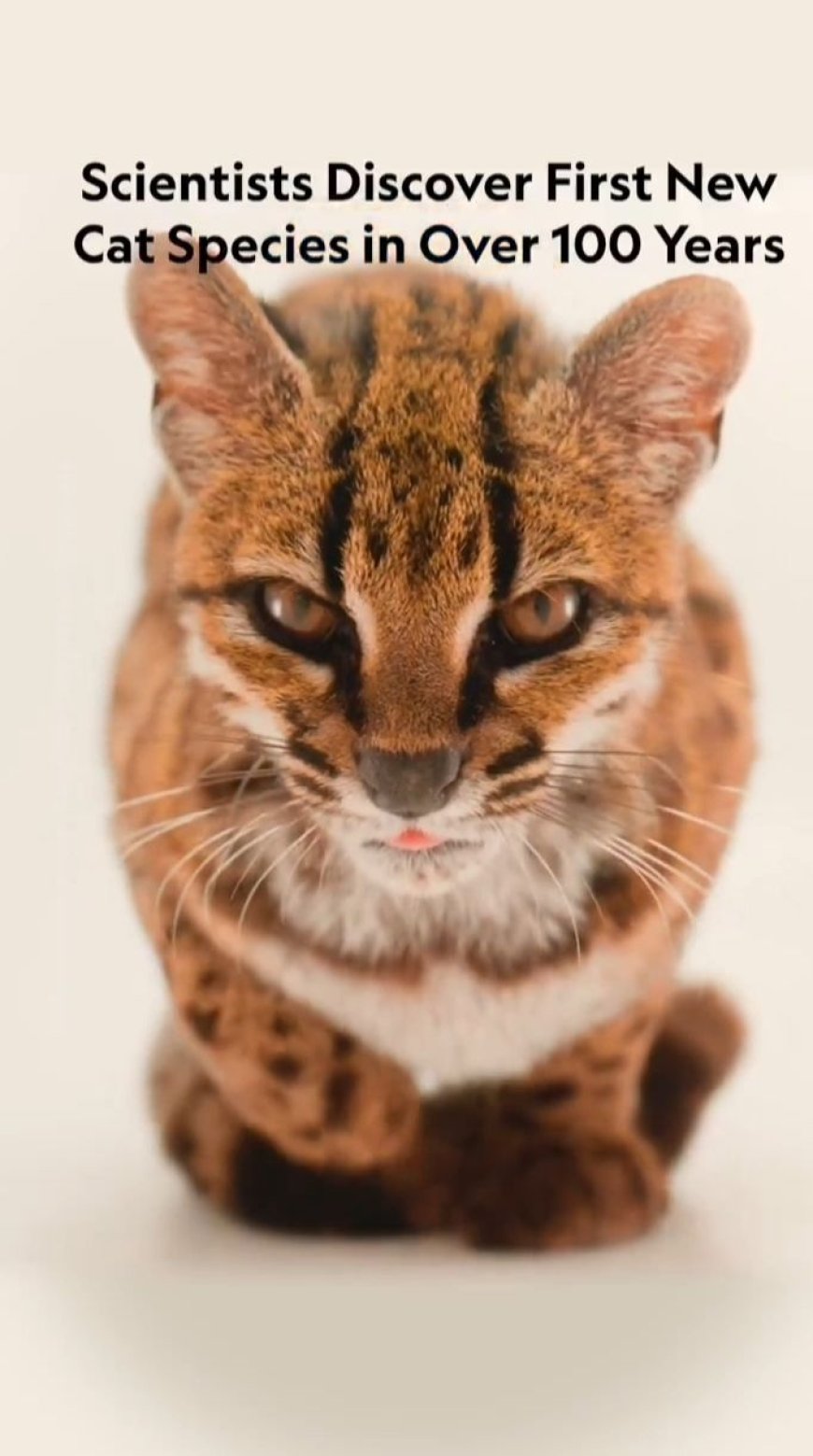

Scientists Discover New Wild Cat Species in Bolivia After More Than a Century
By AU-Central News Desk | Science & Environment
Published: September 19, 2026
A tiny, spotted wild cat living in Bolivia’s cloud forests has been formally recognised as a new species, marking the first time in more than a century that scientists have named and described a previously unrecognised living wild cat species.
Named Leopardus tilcayo, the animal is known locally as the tilcayo and lives in the mountainous Yungas region of Bolivia, where the eastern Andes meet the Amazon basin.
The discovery was detailed in a study published in the scientific journal Current Biology, in which researchers used genomic analysis and museum specimens to investigate the evolutionary history of South America’s tiger cats.
A Small Cat With a Big Scientific Story
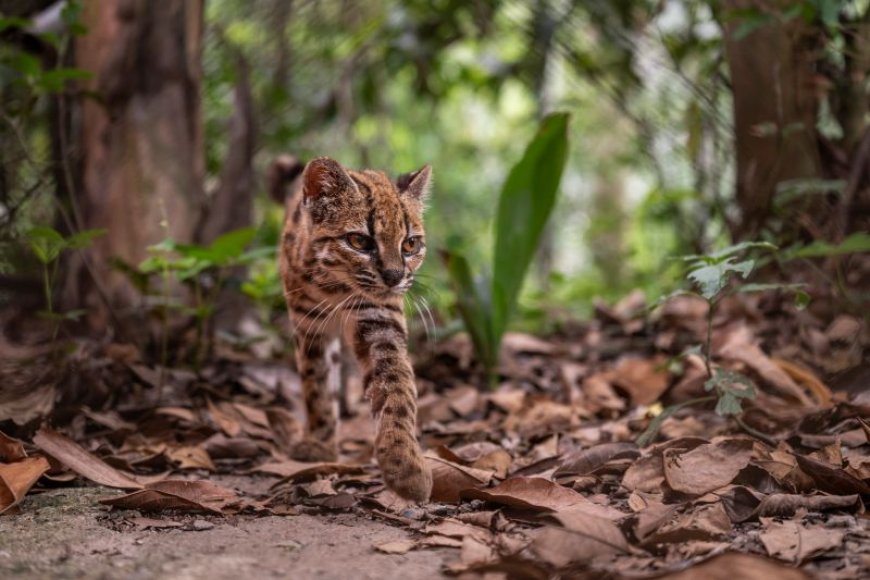
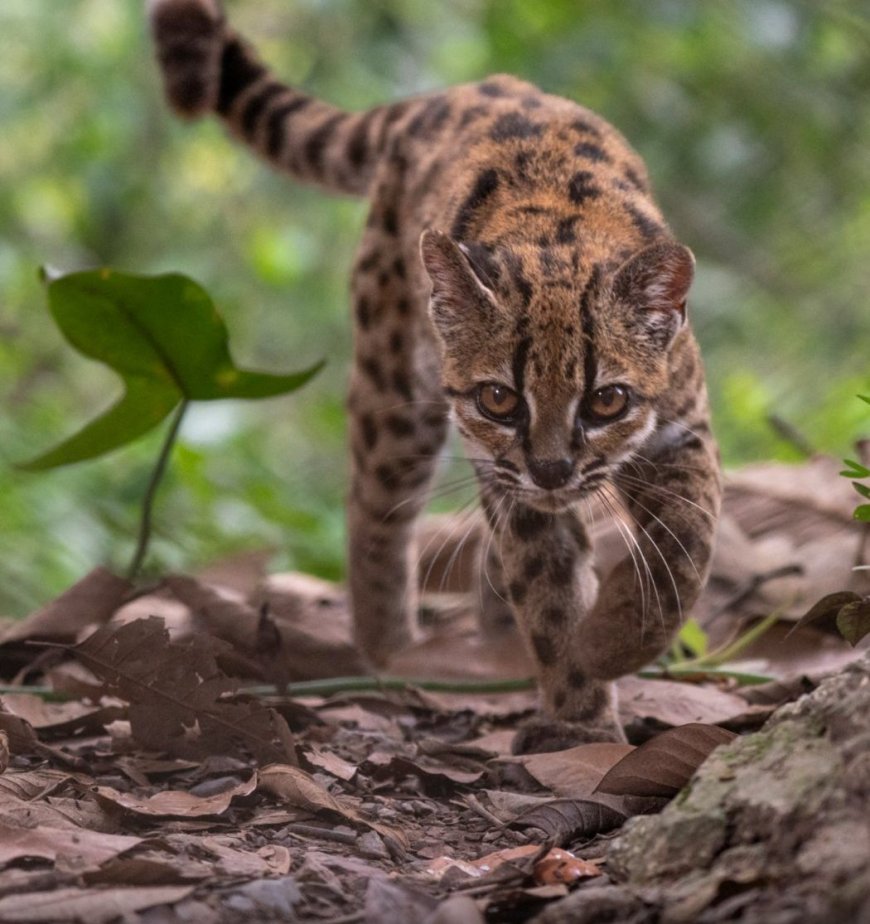
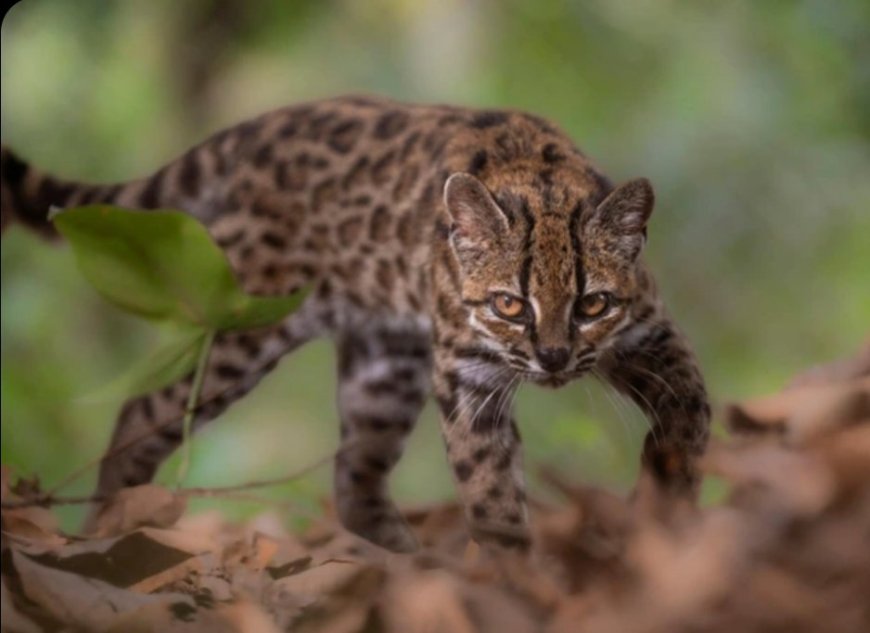
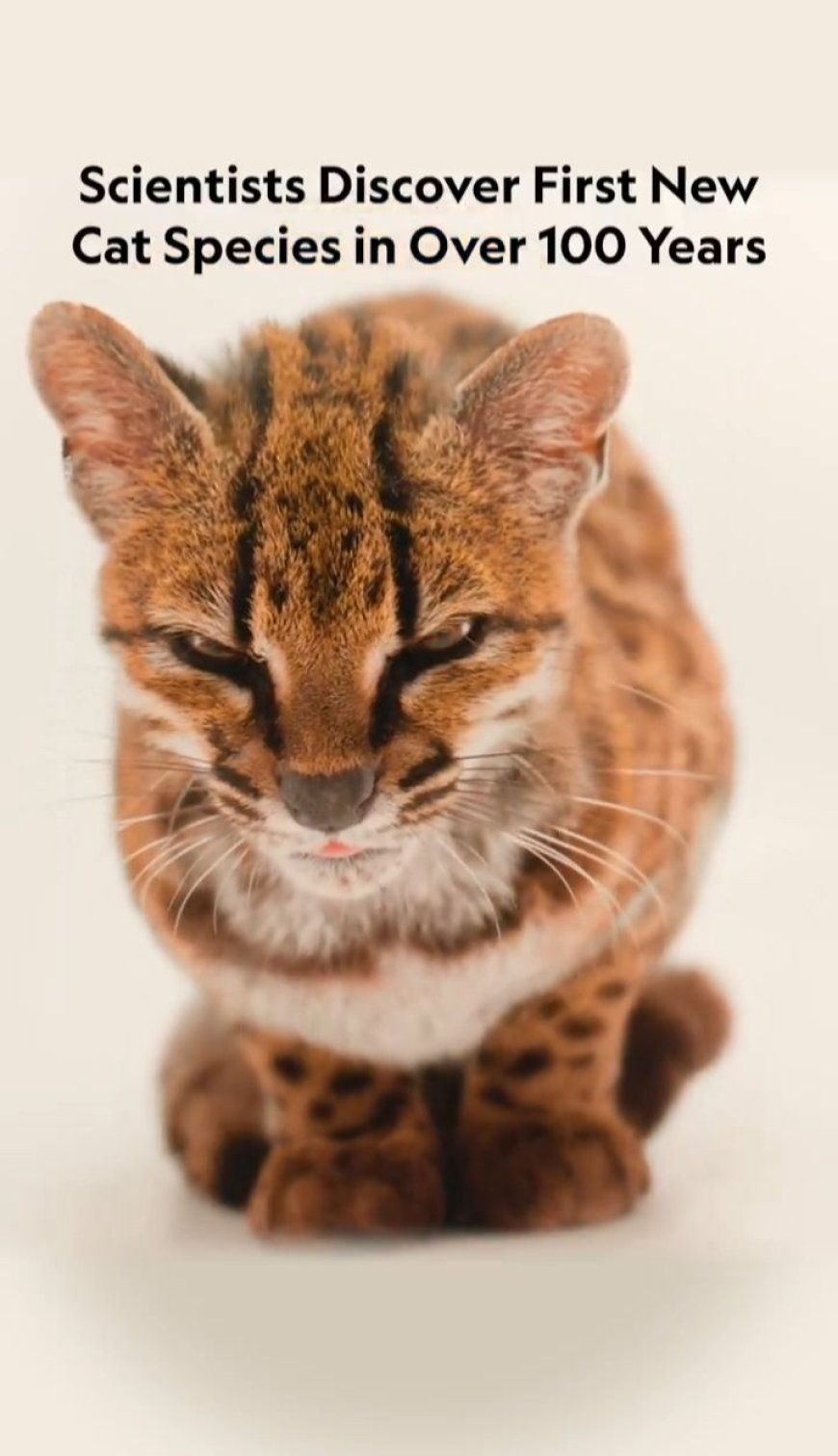
The tilcayo is a remarkably small feline. Researchers describe it as approximately 46 centimetres long and around 1.4 kilograms in weight, making it smaller than the average domestic cat.
Its light-brown coat is covered with irregular dark rosettes, while its rounded ears and relatively long tail distinguish it from some of its closest relatives.
Despite its recent scientific recognition, the animal was not unknown to local communities. The name “tilcayo” was retained as the species' English common name in recognition of the traditional local designation.
The Discovery Began With a “Weird Cat”
The story behind the discovery is almost as unusual as the animal itself.
In 2016, Bolivian biologist and National Geographic Explorer Paola Nogales-Ascarrunz was contacted by a wildlife sanctuary about what staff described as an unusual or “weird” cat.
The animal had originally been found as a kitten by a local man, who initially believed he had encountered an unusual domestic cat. It was later taken to the Senda Verde wildlife refuge in Bolivia's Yungas region.
When Nogales-Ascarrunz examined the animal, she initially considered it part of the tiger-cat group. However, its physical characteristics did not completely match the descriptions and illustrations of known species.
That discrepancy prompted a much deeper investigation.
DNA Reveals a Hidden Species
The breakthrough came through genetic research.
An international team analysed complete genomes from 38 individuals belonging to the South American genus Leopardus, including living animals and specimens from museum collections.
The results showed that what scientists had historically treated as a single tiger-cat complex actually contains five genetically distinct species.
Among them was the previously unrecognised Bolivian lineage now named Leopardus tilcayo.
Genetic analysis indicates that the tilcayo lineage separated from its closest relatives approximately 1.4 million years ago.
That deep evolutionary separation was one of the key pieces of evidence supporting its recognition as a distinct species.
Where Does the Tilcayo Live?
The species has been identified in Bolivia's Yungas cloud forests, a mountainous ecosystem characterised by high humidity, steep terrain and dense vegetation.
The Yungas form part of the broader Andean-Amazonian region, one of the world's biologically rich environments.
Researchers currently have limited information about the species' complete geographic range. Much more fieldwork is needed to determine how widely Leopardus tilcayo occurs and how large its population may be.
What Does It Eat?
Scientists are still learning the basic ecology of the species.
Preliminary evidence from scat samples indicates that small rodents may form part of its diet. Camera-trap observations also suggest that the animal may be more active at night.
However, researchers stress that these observations are preliminary and that much remains unknown about the tilcayo's behaviour, reproduction, territory and interactions with other species.
Scientists Also Identified a New Subspecies in Peru
The study produced another significant finding.
Researchers identified a previously unrecognised tiger-cat subspecies in Peru's Yungas and named it Leopardus tigrinus antisuyo.
The name refers to Antisuyu, one of the regions of the former Inca Empire associated with the eastern Andes.
Together with the recognition of Leopardus tilcayo, the findings significantly reshape scientists' understanding of South America's tiger-cat diversity.
Why This Discovery Matters
The discovery is important not simply because another wild cat has been added to the scientific record.
It demonstrates how much biodiversity can remain hidden even among animals that scientists have studied for generations.
For years, several tiger-cat populations were grouped together because of their similar appearance. Genetic research has now revealed that these animals represent distinct evolutionary lineages.
That distinction has major implications for conservation.
If several separate species are treated as one, population estimates and assessments of threats can mask the situation facing individual lineages. Recognising each species separately allows scientists to investigate its distribution, genetic diversity and specific conservation needs.
Conservation Concerns
The discovery also comes with a warning.
The Yungas ecosystem faces pressures including deforestation, agricultural expansion, fires and mining, while tiger cats more broadly face threats associated with habitat loss and other human activities.
The researchers have shared their findings with the International Union for Conservation of Nature (IUCN). The organisation's future assessments will consider the newly recognised tiger-cat lineages separately.
At present, scientists do not have enough information to provide a definitive conservation status for Leopardus tilcayo.
Determining its population size, distribution and major threats will require additional field surveys, camera trapping and genetic research.
A Discovery That Rewrites the Tiger-Cat Family Tree
The scientific paper, titled “Phylogenomics and Museomics Reveal Five Distinct Species of Tiger Cats in South America,” combines modern genome sequencing with information obtained from museum specimens.
The research involved scientists from several institutions and was published in Current Biology in September 2026.
The work illustrates the growing role of genomic science in wildlife research. Animals that appear almost identical can carry evolutionary histories that have remained hidden for thousands or even millions of years.
In the case of the tilcayo, scientists now have evidence that a distinct lineage has existed for roughly 1.4 million years — long before modern scientific classification could give it a name.
The World Still Has Wild Species to Discover
The tilcayo's story is a reminder that scientific discovery is not limited to distant planets, deep oceans or microscopic organisms.
Sometimes, a major discovery is walking through a forest that people have lived alongside for generations.
Local communities already knew the animal as a tilcayo. Scientific research has now provided its formal place on the tree of life.
But the discovery also raises a more urgent question: how many other species remain hidden in threatened ecosystems before science has the opportunity to study them?
For researchers, the next chapter is not simply about naming Leopardus tilcayo. It is about finding out how many survive, understanding how they live and ensuring that the forests they depend on remain intact.
For now, one thing is clear: a tiny Bolivian wild cat has opened a much bigger window into the hidden biodiversity of South America.
SOURCE & SCIENTIFIC REFERENCE
Lescroart, J. et al. (2026). Phylogenomics and Museomics Reveal Five Distinct Species of Tiger Cats in South America. Current Biology. DOI: 10.1016/j.cub.2026.08.059.
Reporting: Reuters, National Geographic and other reporting cited above.
What's Your Reaction?